
Autoclaves utilize saturated steam under pressure to effectively kill microorganisms, including resilient endospores, exceeding water’s boiling point.
What is an Autoclave?
An autoclave is a robust, sealed device critically employed for sterilization. It functions by exposing materials to high-pressure saturated steam, achieving temperatures exceeding water’s normal boiling point. This process effectively eliminates all microorganisms, including notoriously heat-resistant bacterial endospores.
Essentially, autoclaves create a high-temperature, high-pressure environment, leveraging the principles of gas laws to ensure thorough sterilization. They are indispensable tools across diverse sectors, from healthcare and laboratories to various industrial applications, guaranteeing the safety and integrity of processed items.
The Importance of Autoclave Sterilization
Autoclave sterilization is paramount for eliminating harmful microorganisms, safeguarding against infection and contamination. This method is especially crucial where absolute sterility is non-negotiable, such as in healthcare settings for medical instruments and in laboratories for research materials.
The ability to destroy resilient endospores distinguishes autoclaving as a highly reliable sterilization technique. Proper sterilization ensures patient safety, accurate experimental results, and maintains the integrity of industrial processes, preventing costly setbacks and potential hazards.
Historical Development of Autoclaves
Autoclaves evolved from early 19th-century steam sterilizers, initially developed by Charles Chamberland, inspired by Louis Pasteur’s work on sterilization. Early models were rudimentary, relying on steam generated from boilers.
Over time, designs improved with pressure regulation and safety features. The 20th century saw advancements in materials and automation, leading to more efficient and reliable autoclaves. Modern autoclaves incorporate sophisticated controls, enhancing safety and precision in sterilization processes across diverse applications.
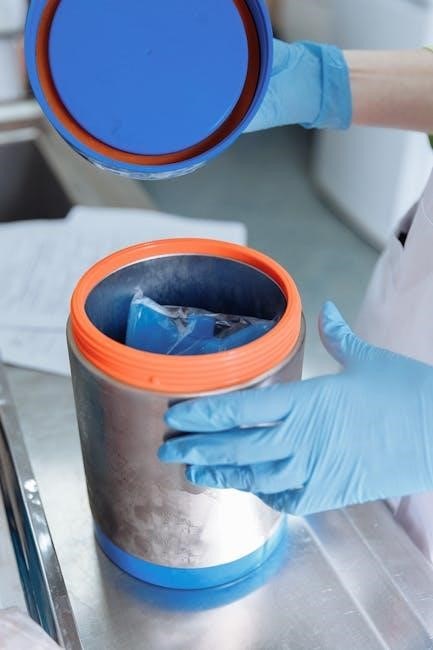
Principles of Autoclave Operation
Autoclaves function by employing saturated steam and pressure, leveraging gas laws to achieve sterilization temperatures exceeding water’s boiling point effectively.
Saturated Steam and Pressure
Saturated steam is crucial for autoclave function, possessing significant latent heat energy. This energy is released upon condensation, efficiently killing microorganisms. Pressure is integral, elevating steam’s temperature above boiling point—typically 121°C (250°F) at 15 psi.
This combination ensures thorough sterilization, penetrating materials effectively. The principle relies on moisture’s ability to denature proteins and disrupt cellular processes. Maintaining consistent pressure and steam quality is vital for reliable sterilization outcomes, ensuring all materials reach the required temperature for the specified duration.
How Heat Kills Microorganisms
Heat’s effectiveness stems from its ability to denature proteins, essential for microbial structure and function. This denaturation disrupts metabolic processes, leading to cell death. Autoclave temperatures exceed those achievable with boiling water, targeting even resilient endospores.
Moist heat, like saturated steam, is more efficient than dry heat because water facilitates protein unfolding. The combination of high temperature and moisture ensures complete microbial inactivation, crucial for sterilization in healthcare and laboratory settings, guaranteeing safe materials.
Gas Laws and Autoclave Function
Autoclave operation fundamentally relies on gas laws, specifically the relationship between pressure, temperature, and volume. Increasing pressure elevates the boiling point of water, enabling sterilization temperatures exceeding 100°C. As steam enters, it displaces air, increasing chamber pressure.
This pressure build-up, governed by Boyle’s and Charles’s Laws, ensures efficient heat transfer and penetration, vital for complete microbial inactivation. Maintaining precise pressure and temperature control is crucial for effective sterilization cycles.
Types of Autoclaves
Gravity displacement, pre-vacuum, and steam-flush pressure-pulse (SFPP) autoclaves represent distinct sterilization methods, each employing unique air removal techniques.
Gravity Displacement Autoclaves
Gravity displacement autoclaves are the most basic type, relying on the principle that steam is lighter than air. As steam enters the chamber, it naturally forces air out through a vent located at the bottom.
This process, however, can be slower and less efficient at removing air from densely packed loads. Steam enters at the top and, due to gravity, displaces air downwards, eventually reaching the drain. These are often used for simpler sterilization needs and are generally more affordable than other types.
Pre-Vacuum Autoclaves
Pre-vacuum autoclaves employ a vacuum pump to actively remove air from the chamber before the steam introduction. This ensures more thorough air removal, particularly crucial for porous materials like textiles or liquids in bottles.
As the steam enters, it quickly and completely fills the void, achieving faster and more consistent sterilization. This method is superior for complex loads, guaranteeing steam penetration where gravity displacement might fail, leading to reliable results.
Steam-Flush Pressure-Pulse (SFPP) Autoclaves
SFPP autoclaves utilize a unique system involving repeated steam flushes and pressure pulses to efficiently remove air. This process involves introducing steam, building pressure, then rapidly releasing it, repeating this cycle several times.
This dynamic action effectively dislodges air pockets trapped within loads, enhancing steam penetration. SFPP systems are particularly effective for loads with complex geometries or those prone to air entrapment, ensuring comprehensive sterilization.

Autoclave Components and Their Functions
Essential components include the chamber, door, pressure gauge, safety valve, and temperature sensors, all working together to achieve and maintain sterilization.
Chamber and Door
The autoclave chamber, typically constructed from stainless steel, is where materials are placed for sterilization. Its robust design withstands high pressures and temperatures. The door must create a tight, secure seal to prevent steam leakage during the sterilization cycle, ensuring effective processing.
Proper door sealing is critical for maintaining pressure and achieving sterilization. Regular inspection of gaskets and locking mechanisms is essential for safe and reliable operation. Damage or wear can compromise the entire process, leading to ineffective sterilization and potential hazards.
Pressure Gauge and Control
The pressure gauge is a vital component, displaying the internal pressure within the autoclave chamber during operation. Accurate pressure monitoring is crucial for achieving the desired sterilization temperatures. Control systems regulate the steam supply and cycle duration, ensuring consistent and reliable performance;
These controls allow operators to set specific parameters based on the materials being sterilized. Precise control prevents under- or over-sterilization, safeguarding product integrity and patient safety. Regular calibration of the pressure gauge is essential for maintaining accuracy.
Safety Valve – Preventing Over-Pressure
The safety valve is a critical safety feature designed to prevent dangerous pressure build-up within the autoclave chamber. If the internal pressure exceeds pre-set limits, the valve automatically releases steam, safeguarding the equipment and personnel.
This immediate release prevents potential explosions or structural damage. Routine maintenance, including inspection and testing, ensures the valve functions correctly. A properly functioning safety valve is paramount for safe autoclave operation and accident prevention.
Temperature Sensors and Controllers
Temperature sensors continuously monitor the internal chamber temperature, providing crucial data to the autoclave’s control system. These sensors relay information to the controller, which precisely regulates heating elements to achieve and maintain the desired sterilization temperature.
Accurate temperature control is vital for effective sterilization. Controllers ensure consistent performance, adhering to established sterilization parameters, and guaranteeing complete microbial inactivation during each cycle.

Autoclave Loading Procedures
Proper material preparation and loading guidelines are essential for effective sterilization, preventing damage, and ensuring steam reaches all surfaces.
Proper Material Preparation
Before autoclaving, ensure all items are compatible with steam sterilization and high temperatures. Materials should be cleaned thoroughly to remove any visible debris, as organic matter can interfere with the sterilization process.
Items must be properly packaged in autoclave-safe containers or wrapped in materials that allow steam penetration, like autoclave paper or specialized pouches.
Liquids should be placed in appropriate containers with vented caps to prevent pressure buildup and potential explosions. Ensure containers aren’t completely filled, leaving space for expansion during heating.
Loading Guidelines for Different Materials
Solid items require spacing for steam circulation; avoid overcrowding. Wrapped packages should stand on edge, not flat, to facilitate steam penetration. Liquids, in vented containers, go on the bottom shelf to prevent wetting of other items.
Porous materials, like fabrics, need more exposure time. Metal instruments can be tightly packed, but ensure complete contact with steam.
Plastic items must be autoclave-safe; check manufacturer’s guidelines. Heavy items should be placed on lower shelves for stability during the cycle.
Avoiding Overcrowding
Overcrowding severely hinders steam circulation, compromising sterilization effectiveness. Maintain adequate space between packages – ideally, 2-3 inches – to allow steam to reach all surfaces. A densely packed autoclave prevents complete air removal, a critical step for proper sterilization.
Reduced steam penetration leads to “shadows” where microorganisms survive.
Multiple shorter cycles are preferable to a single overcrowded one. Regularly assess load size against the autoclave’s capacity to ensure optimal performance and consistent results.

Autoclave Operating Procedures – Step-by-Step
Proper operation demands initial checks, a defined sterilization cycle, and ensuring complete air removal before steam entry reaches preset temperature and pressure.
Initial Setup and Checks
Before initiating a sterilization cycle, meticulous preparation is crucial for both safety and efficacy. Verify the autoclave chamber is free from obstructions and that all necessary components, like door gaskets, are intact. Confirm the water reservoir possesses sufficient distilled or deionized water to prevent damage.
Inspect the pressure gauge and temperature sensors for accurate readings. Ensure the safety valve functions correctly – it should move freely. Finally, double-check that all connections are secure, and the drain is clear to facilitate proper air removal during the cycle’s initial phase.
The Sterilization Cycle
Initiating the cycle involves selecting the appropriate parameters – temperature, pressure, and time – based on the materials being sterilized. The autoclave then heats water, generating saturated steam. This steam enters the chamber, displacing air through a trap in the drain line, ensuring complete saturation.
Once air is evacuated, the trap closes, and pressure steadily increases, reaching the setpoint. Maintaining this pressure and temperature for the designated time guarantees effective sterilization, eliminating microorganisms and ensuring the load is safe for its intended use.
Air Removal Process and Steam Entry
Effective sterilization hinges on complete air removal from the autoclave chamber. As steam enters, it actively pushes air out via a trap connected to the drain line. This crucial step prevents air pockets that could hinder heat penetration and compromise the sterilization process.
Once all air is successfully evacuated, the trap automatically closes, sealing the chamber. Steam continues to fill the space, building pressure and temperature until the pre-set sterilization parameters are achieved.
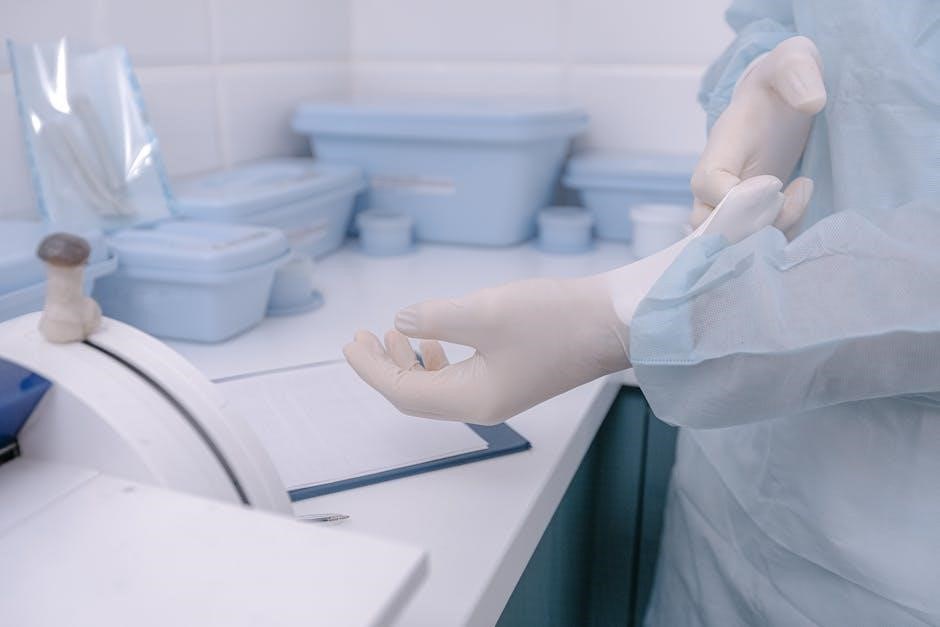
Autoclave Safety Precautions
Burns are a significant risk; avoid physical contact with the hot autoclave and escaping steam during operation and unloading procedures.
Preventing Burns – Physical Contact and Steam
Autoclaves operate with intense heat and pressure, presenting burn hazards from both physical contact and steam exposure. The autoclave’s structure itself becomes extremely hot during cycles, so avoid touching any external surfaces while in use.
More critically, escaping steam poses a severe burn risk. Always stand clear of the steam vent during the air removal process and when opening the door after a cycle.
Proper training and adherence to established protocols are essential to minimize these risks and ensure operator safety. Remember, steam burns are often deeper and more damaging than direct flame burns.
Handling Pressure and Temperature
Autoclaves generate significant internal pressure and high temperatures to achieve sterilization. Never attempt to open the autoclave door while pressure remains inside; this could result in severe injury from escaping steam and pressurized materials.
Always verify the pressure gauge reads zero before initiating door opening.
Understand the cycle parameters – temperature, pressure, and time – and ensure they are appropriate for the load being sterilized. A malfunctioning safety valve can lead to dangerous over-pressure situations, requiring immediate attention and professional repair.
Personal Protective Equipment (PPE)
Always wear appropriate Personal Protective Equipment (PPE) when operating an autoclave. This includes heat-resistant gloves to prevent burns from contact with hot surfaces or steam. Safety glasses or a face shield are crucial to protect your eyes from potential splashes or steam bursts.
Closed-toe shoes are also essential.
Long sleeves offer additional protection. Be mindful of the risks associated with high heat and pressure, and prioritize personal safety during all autoclave procedures.
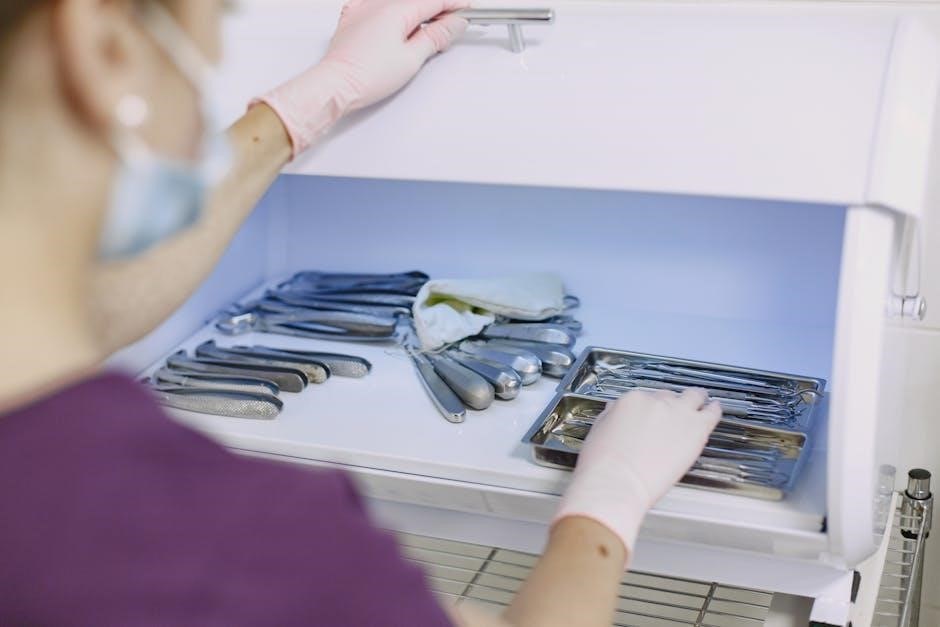
Unloading Procedures and Post-Sterilization Handling
Carefully unload autoclaved items after the chamber has cooled and pressure is fully released, avoiding steam burns and utilizing appropriate tools.
Safe Unloading Techniques
Prior to unloading, ensure the autoclave has completed its cycle, the pressure gauge reads zero, and the door is cool to the touch. Always wear heat-resistant gloves and utilize tongs or carts for removal, especially for hot items. Slowly open the door, directing it away from your face to avoid potential steam exposure.
Be mindful of hot surfaces within the chamber. Carefully remove items, starting with those furthest from the door. Avoid overcrowding the unloading area and allow sufficient cooling time before handling sterilized materials directly. Proper technique minimizes burn risks and maintains sterility.
Cooling and Drying
Allow sterilized materials to cool adequately within the autoclave or on a heat-resistant surface before handling to prevent thermal damage and burns. Cooling time varies based on load volume and material type. Some autoclaves feature a cooling cycle, while others require natural air cooling.
Drying can occur naturally or with the aid of a drying cycle, if available. Ensure materials are completely dry before storage to prevent moisture-related contamination. Proper cooling and drying are crucial for maintaining sterility and preserving material integrity.
Storage of Sterilized Materials
Sterilized items should be stored in a clean, dry, and dust-free environment to maintain their sterility. Utilize appropriate containers – sealed bags, wraps, or closed cabinets – to protect against contamination. Clearly label all sterilized materials with the date of sterilization for inventory control and to ensure timely reuse.
Avoid overcrowding storage areas to allow for proper air circulation. Regularly inspect stored items for any signs of package compromise or contamination. Follow established protocols for storage duration based on material type and facility guidelines.
Autoclave Maintenance and Troubleshooting
Routine maintenance, including checking the safety valve, is crucial. Address issues promptly; a malfunctioning valve releases steam, preventing over-pressure.
Routine Maintenance Schedule
Regular autoclave maintenance is paramount for consistent, safe operation. Daily checks should include visual inspection of the door gasket for wear and tear, ensuring a proper seal. Weekly, examine the safety valve to confirm it’s unobstructed and functions correctly, releasing steam as needed.
Monthly, a thorough inspection of all components – pressure gauge, temperature sensors, and controls – is essential. Annual professional servicing, including a comprehensive safety check and calibration, guarantees optimal performance and adherence to safety standards. Detailed records of all maintenance activities must be meticulously maintained for traceability and quality control purposes.
Common Autoclave Problems
Frequent autoclave issues include failure to reach the correct temperature or pressure, often due to air leaks or malfunctioning heating elements. A faulty door gasket is a common culprit, hindering proper sealing. Issues with the safety valve – either failing to release or leaking continuously – pose significant safety risks.
Furthermore, problems with temperature sensors or control systems can lead to inaccurate sterilization cycles. Addressing these promptly through inspection, repair, or professional servicing is crucial for maintaining operational integrity and preventing compromised sterilization results.
Addressing Safety Valve Issues
Safety valve malfunctions require immediate attention. If a valve continuously releases steam, it indicates excessive pressure buildup or a faulty valve mechanism. Do not attempt self-repair; qualified technicians must inspect and recalibrate or replace the valve.
Conversely, a valve that doesn’t release pressure when needed is equally dangerous. Routine maintenance, including regular testing and cleaning, is vital. Ignoring these issues compromises autoclave safety and could lead to catastrophic failure.
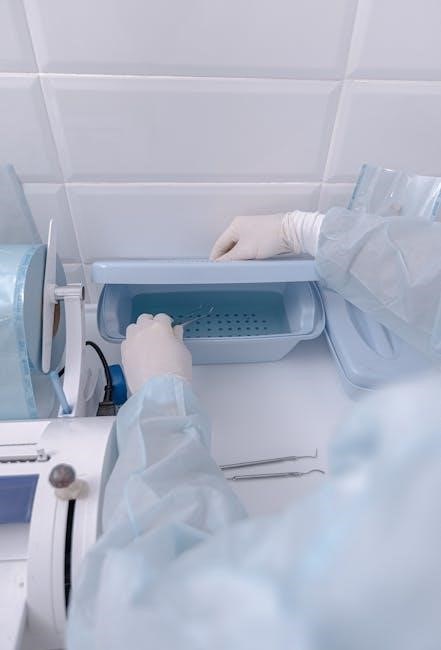
Quality Control and Validation
Biological indicators, like spore tests, and chemical indicators verify sterilization effectiveness; meticulous documentation of each cycle is crucial for maintaining standards.
Biological Indicators (Spore Tests)
Biological indicators (BIs) are the most reliable method for confirming autoclave sterilization. They contain highly resistant bacterial spores – typically Geobacillus stearothermophilus – known to survive standard sterilization cycles. After a cycle, BIs are incubated to check for spore viability;
A negative result (no growth) demonstrates sterilization was achieved. Regular BI testing, alongside each load or cycle, is vital for quality assurance. Proper record-keeping of BI results is essential for demonstrating compliance and identifying potential issues. These tests validate the entire sterilization process.
Chemical Indicators
Chemical indicators (CIs) provide a visual confirmation that specific sterilization conditions have been met, but don’t guarantee sterility. These indicators change color when exposed to sufficient temperature, steam, and time. Types include autoclave tape, strips, and cards, offering varying levels of sensitivity.
CIs are used for each load to verify process parameters. While useful for routine monitoring, they shouldn’t replace periodic biological indicator (BI) testing. Proper documentation of CI use and results is crucial for maintaining a robust sterilization quality control system.
Documentation and Record Keeping
Meticulous documentation is paramount for autoclave operation and quality control. Records should include date, time, load identification, cycle parameters (temperature, pressure, time), operator initials, and results of both chemical and biological indicators.
Detailed logs demonstrate adherence to established protocols and facilitate traceability in case of sterilization failures. Maintaining these records is often a regulatory requirement, ensuring accountability and providing evidence of effective sterilization processes.
Applications of Autoclaves
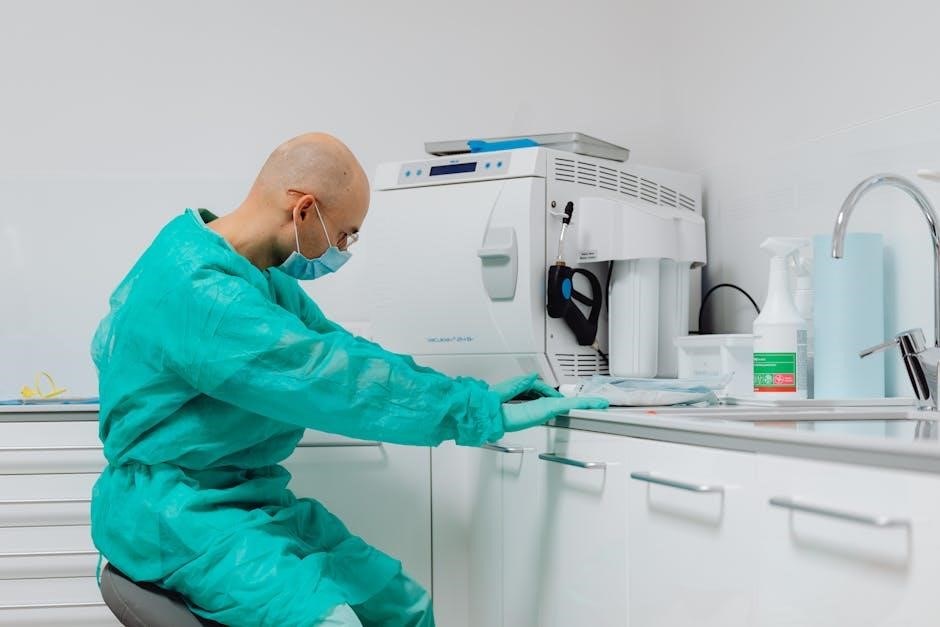
Autoclaves are vital sterilization equipment across healthcare, scientific laboratories, and various industrial sectors, ensuring safety and reliability.
Healthcare Sterilization
Autoclaves play a crucial role in healthcare sterilization, ensuring instruments, surgical tools, and medical waste are free from harmful microorganisms. This process is paramount for preventing healthcare-associated infections (HAIs). Proper autoclave operation, adhering to established protocols, is essential for achieving complete sterilization.
Items like surgical instruments, dressings, and laboratory cultures undergo rigorous steam sterilization. Consistent quality control, including biological indicators (spore tests) and chemical indicators, validates the effectiveness of each cycle, safeguarding patient safety and maintaining a sterile environment within medical facilities.
Laboratory Use
Autoclaves are indispensable in laboratories for sterilizing a wide array of materials, including culture media, glassware, and contaminated waste; This ensures a safe working environment and prevents experimental contamination. Researchers rely on autoclave sterilization to eliminate microorganisms from solutions and solid media before use, guaranteeing reliable experimental results.
Proper loading procedures are vital to ensure steam penetration. Biological indicators confirm sterilization efficacy, while meticulous documentation maintains a traceable record of each cycle, adhering to strict laboratory safety standards and research integrity.
Industrial Applications
Autoclaves extend beyond healthcare and labs, playing a crucial role in diverse industrial processes. Industries like pharmaceutical manufacturing utilize them for sterilizing equipment and products, ensuring product safety and regulatory compliance. Food processing employs autoclave sterilization for canning and preserving, extending shelf life and preventing spoilage.
Furthermore, industries requiring high-purity environments, such as electronics, leverage autoclaves for component sterilization. Consistent quality control, including biological indicators, is paramount in these applications, guaranteeing reliable and safe industrial outputs.
Understanding Sterilization Parameters
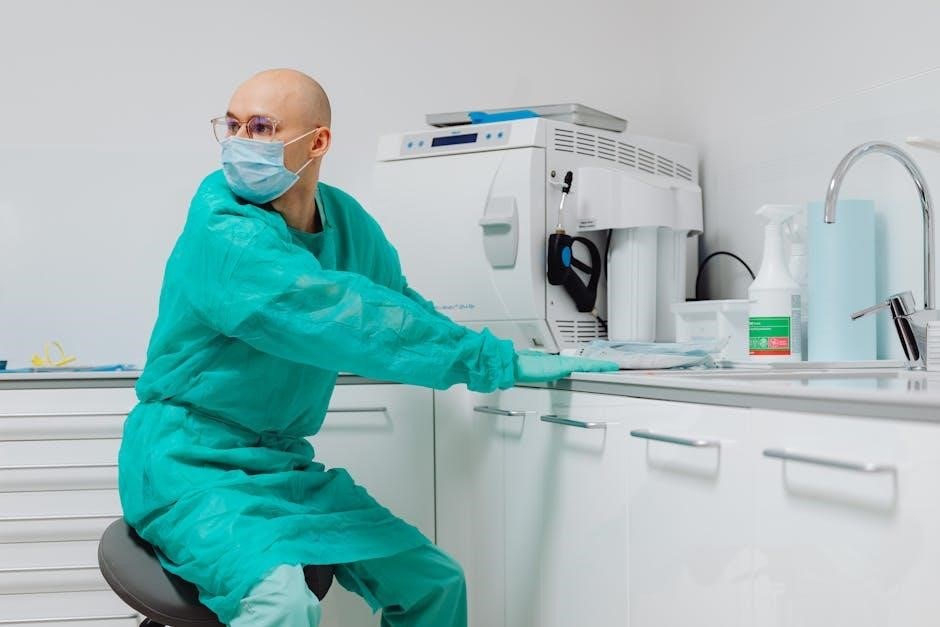
Temperature, pressure, and time are interconnected; selecting appropriate cycle parameters is vital for effective sterilization, influenced significantly by the load size.
Temperature, Pressure, and Time Relationship
Autoclave sterilization hinges on a precise relationship between temperature, pressure, and time. Increasing pressure elevates the boiling point of water, allowing temperatures exceeding 100°C to be reached – crucial for destroying resistant microbial spores.
Longer exposure times at a given temperature enhance sterilization efficacy, but excessive durations can damage materials.
Therefore, selecting the correct combination is paramount, balancing sterilization needs with material compatibility.
Properly calibrated autoclaves ensure accurate temperature and pressure control, guaranteeing reliable sterilization outcomes.
Selecting Appropriate Cycle Parameters
Choosing the right autoclave cycle demands careful consideration of the load’s nature and the required sterilization level. Factors include material composition, load density, and the presence of prions or biohazardous materials.
Generally, gravity displacement cycles suit aqueous solutions and heat-stable items.
Pre-vacuum cycles are ideal for porous loads, ensuring better steam penetration.
Cycle parameters—temperature, pressure, and time—must align with established guidelines to guarantee complete microbial inactivation and material integrity.
Impact of Load Size on Sterilization
Load size significantly impacts autoclave performance; overcrowding hinders steam circulation, potentially leading to inadequate sterilization. Larger loads require extended cycle times to ensure all materials reach sterilization temperature.
Proper loading, leaving space between items, is crucial for effective steam penetration.
Overloading compromises the autoclave’s ability to remove air efficiently, extending the sterilization process and increasing the risk of non-sterilization.
Always adhere to manufacturer’s guidelines regarding maximum load capacity.