Understanding Sock Size Basics
Sock sizing hinges on shoe size, with charts mapping US, EU, UK ranges․ Sizes span XS to XXL, covering adult and kids․ Men’s socks often reach higher on the leg than women’s while kids’ sizes are grouped separately․ Using a reliable chart ensures a snug, comfortable fit buying․for best fit
Key Factors Influencing Sock Fit
When selecting socks, several variables shape the final fit․ The most obvious is the wearer’s shoe size; most charts pair a specific US, EU, or UK shoe range with a corresponding sock size․ However, shoe size alone does not guarantee comfort․ The chosen sock height—micro crew, crew, quarter, half, or long—determines how much of the leg is covered and can alter the perceived tightness around the ankle or calf․ Cushioning level also plays a critical role; thicker, plush padding can make a sock feel bulkier, especially in smaller sizes, while minimal cushioning offers a tighter, more breathable feel․ Material weight further influences fit: heavier fabrics tend to compress less, providing a snugger grip, whereas lighter fibers may slide up the leg․ Finally, foot shape and arch height affect how a sock sits; a high‑arched foot may require a slightly looser cuff to avoid pinching, whereas a flatter foot benefits from a slightly looser cuff for stability․ By balancing these elements—shoe size, height, cushion, weight, and foot morphology—buyers can pinpoint the exact sock that delivers both comfort and performance․ In practice, most retailers provide a quick reference table that matches your shoe size to a sock size, but you should also consider the sock’s intended use—athletic, casual, or formal—since performance socks often feature higher compression or specialized cushioning that can shift the fit slightly․ Ultimately, a sock should feel snug without pinching, allow movement, and maintain moisture control, ensuring that the size you pick supports comfort and activity daily! demands․
Standard Sock Size Charts
Standard sock size charts translate shoe measurements into sock sizes․ They list US, EU, UK ranges for XS to XXL, covering adults and kids․ Charts align each size with a specific shoe span, ensuring a proper fit across brands․ Match your shoe size to the correct sock size now!
Men’s Sock Size Conversion
Men’s sock sizing follows a straightforward conversion between shoe size and sock size․ The chart below aligns US, EU, and UK ranges for each sock size, from XS to XXL․ For example, a men’s sock labeled XS fits shoe sizes 2․5–5 US (35–38 EU, 2․5–4․5 UK)․ Size S covers 5․5–7․5 US (38–40 EU, 5–7 UK)․ Size M fits 8–9․5 US (41–42 EU, 7․5–9 UK)․ Size L matches 10–12 US (43–45 EU, 9․5–11․5 UK)․ Size XL spans 12․5–14․5 US (46–49 EU, 12–14 UK)․ Size XXL accommodates 15–17 US (50–53 EU, 15–16 UK)․ These ranges are based on the length from heel to cuff, ensuring a snug fit that accommodates most foot shapes․ Men’s socks typically rise higher on the leg than women’s, so the cuff may sit just below the calf․ When selecting a pair, compare your shoe size to the chart and choose the sock size that covers the entire range․ If your shoe size sits near the upper or lower boundary, consider the next size up for comfort, especially if you prefer a looser fit or plan to wear thicker socks for added cushioning․ Some brands offer a “mid” size that bridges the gap between S and M, useful for those whose foot length falls between standard ranges․ Always check the manufacturer’s specific sizing guide, as minor variations can occur between materials and construction styles․ If you are unsure, measure your foot from heel to toe and compare the measurement to the sock length chart provided by the brand․ A foot length of 9․5 inches typically corresponds to a size M, while 10․5 inches aligns with size L․ For runners or athletes, a slightly tighter fit may reduce slippage, whereas casual wearers might prefer a looser fit for breathability․ Additionally, consider the sock’s material weight: heavier fabrics can add bulk, slightly altering the effective size․ Finally, remember that sock size is not the only factor; the sock’s height category—crew, quarter, half, or long—also influences overall comfort․ When in doubt, try both sizes in a store or order a pair with a flexible return policy to ensure the best fit․ Sock sizing can also be influenced by foot width; those with wide feet may need to choose a larger size or a wide‑fit variant if available․ Some manufacturers provide width options (N, W, EW) alongside the standard size․ Choosing the correct width ensures that the sock does not compress the foot or create pressure points․
Women’s Sock Size Conversion
Women’s sock sizing follows a clear conversion chart that aligns US, EU, and UK shoe sizes to sock sizes from XS to XL․ A women’s sock labeled XS fits shoe sizes 4․5–7 US (35–37․5 EU, 2․5–4․5 UK)․ Size S covers 7․5–9․5 US (38–40․5 EU, 5–7 UK)․ Size M fits 10–11․5 US (41–42․5 EU, 7․5–9 UK)․ Size XL matches 12–14 US (43–45 EU, 9․5–11․5 UK)․ These ranges are based on the length from heel to cuff, ensuring a snug fit that accommodates most foot shapes․ Women’s socks sit lower on the calf than men’s so the cuff rests just above the ankle․ When choosing a pair compare your shoe size to the chart and pick the sock size that covers the full range․ If your shoe size is near a boundary consider the next size up for comfort especially if you prefer a looser fit or plan to wear thicker socks․ Always check the manufacturer’s guide as minor variations can occur․ A foot length of 9․5 inches usually corresponds to a size M while 10․5 inches aligns with size L․ Runners may want a tighter fit; casual wearers might prefer a looser fit for breathability․ Consider material weight heavier fabrics add bulk slightly altering the effective size․ Remember that sock height—crew quarter half or long—also affects overall comfort․ When in doubt try both sizes in store or order with a flexible return policy․ Sock sizing can also be influenced by foot width wide feet may need a larger size or a wide‑fit variant if available․ Some manufacturers provide width options (N W EW) alongside the standard size․ This guide helps you select the sock for activity today
Kids’ Sock Size Conversion
Kids’ sock sizing is distinct from adult charts, grouping sizes S, M, and L to match shoe ranges that grow quickly․ Size S covers US 9–11․5, EU 26․5–29․5, and UK 8․5–11․ This range suits toddlers and young children whose feet are still expanding․ Size M spans US 12–2․5, EU 30–34, and UK 11․5–2, ideal for pre‑schoolers and early school‑age kids․ Size L fits US 3–6, EU 35–38, and UK 2․5–5․5, accommodating older children and early teens․ The conversion is based on the distance from heel to cuff, ensuring the cuff sits comfortably above the ankle without excessive slack․ Because children’s feet grow rapidly, it’s wise to check the chart before each purchase and consider a slightly larger size if the child is close to the upper limit․ Material weight also plays a role; heavier fabrics add bulk, so a child who prefers a snug fit might need to move to the next size․ Some brands offer a “Kids XL” for older teens, but most standard ranges cover the majority of young wearers․ When ordering online, confirm the brand’s specific measurement guidelines, as slight variations can occur․ A quick foot measurement with a ruler or tape can confirm the correct size․ Always keep an eye on the growth curve; a child who is 3 inches longer than the chart’s upper limit may need to move to the next size․ Proper sizing not only ensures comfort but also prevents foot irritation during active play․ For parents, using the chart as a quick reference saves time and reduces returns․ Parents can also use a simple foot‑length chart: measure from heel to tip, then add 0․5 inches for a snug fit․ Many manufacturers provide a growth‑rate guide, suggesting a size increase every 6–8 months for toddlers․ For children who are between sizes, a half‑size up is often recommended․ Some brands include a “plus‑size” option for kids who are taller than average for their age․ Additionally, consider the activity: sports socks may need extra cushioning, while everyday socks can be thinner․ Always check the material composition; cotton blends offer breathability, while wool blends provide warmth․ If you’re ordering multiple pairs, buying a mix of sizes ensures you have a backup for growing feet․ Finally, remember that a well‑fitted sock reduces friction, preventing blisters during play or school activities․ For the most accurate fit, consider trying on a pair before purchase whenever possible․!!
Sock Height Categories
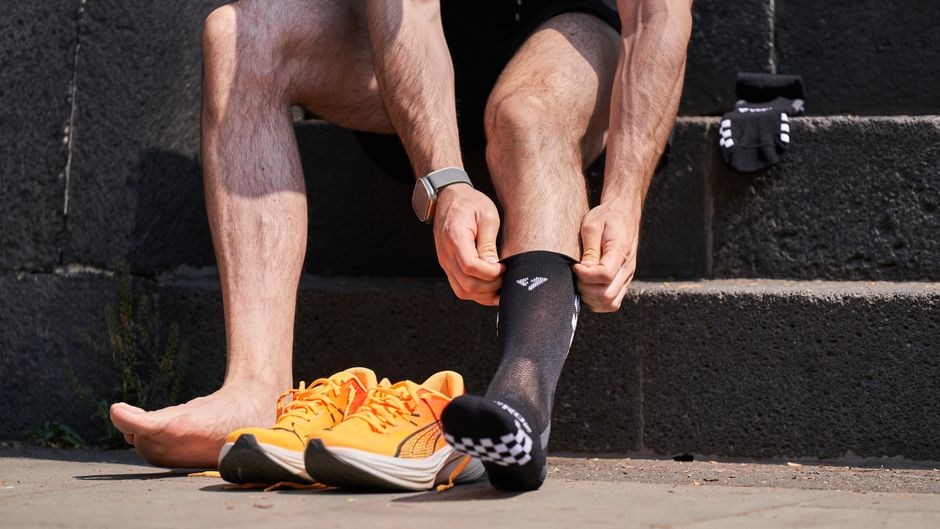
Micro Crew: heel to cuff <4″, snug ankle․ Crew: 4–6″, covers ankle․ Quarter: 6–8″, mid‑calf․ Half: 8–10″, calf coverage․ Long: >10″, reaches knee or higher․ Height affected by cushioning, fit, and style preference․
These heights guide sock choice for comfort, sport, or style․
Micro Crew
Micro Crew socks are the shortest category, measuring under 4 inches from heel to cuff․ They sit snugly at the ankle, keeping the foot cool and dry․ Ideal for everyday wear, casual sports, or low‑profile activities, these socks feature a seamless heel and reinforced toe for durability․ Material options range from lightweight cotton blends to moisture‑wicking polyester‑spandex mixes, allowing choice based on climate and activity․ Cushioning is minimal, preventing blisters without bulk․ Brands like Darn Tough, Nike, and Adidas offer micro crew styles with antimicrobial treatments and 1․5‑inch cuffs for secure fit․ Some are designed for running, with arch support and ventilation panels; others suit office wear, featuring subtle patterns that match dress shoes․ Fiber choices—merino wool, bamboo, or synthetic blends—affect moisture management and temperature regulation․ In hot climates, bamboo or merino keep feet cool; in cooler weather, cotton‑spandex blends provide breathability․ Many micro crew socks are machine washable, but gentle cycle and air drying preserve elasticity․ Pairing with low‑cut shoes, loafers, or sneakers ensures the sock’s short length does not interfere with style․ Always refer to the brand’s specific size chart, as sizing varies slightly between manufacturers․ Some micro crew socks are unisex, others gender‑specific․ Checking customer reviews helps determine if the sock runs true to size, small, or large․ By paying attention to these details, you can confidently choose a micro crew sock that fits comfortably and performs well for your chosen activity․ Whether you’re hiking, commuting, or simply lounging, the micro crew’s lightweight design ensures breathability and a snug fit that stays in place throughout the day․ Enjoy the comfort —and stay․
Crew
Crew socks rise to the mid‑calf, typically ranging from 4 to 7 inches in height․ They offer a balanced blend of coverage and breathability, making them suitable for everyday wear, office settings, and light athletic activities․ The design usually includes a seamless heel and a reinforced toe for added durability, while the cuff is engineered to stay snug without slipping․ Material choices vary from lightweight cotton blends for casual use to moisture‑wicking polyester‑spandex mixes for sports․ Many crew socks feature a moderate amount of cushioning—often 1–2 inches of foam or gel—providing comfort during prolonged standing or walking․ Some brands incorporate arch support or ventilation panels to enhance foot health and airflow․ Size charts for crew socks align closely with shoe size, but slight variations exist between manufacturers, so checking the specific brand’s chart is essential․ Crew socks are versatile enough to pair with sneakers, loafers, or low‑cut boots, and they can be worn under both athletic and dress shoes․ For those who prefer a more fitted look, some crew styles come with a tighter cuff or a ribbed top․ In cooler climates, merino wool or bamboo crew socks keep feet warm while maintaining moisture control․ In hot conditions, cotton‑spandex blends offer breathability․ Care instructions typically recommend machine washing on a gentle cycle and air drying to preserve elasticity and shape․ Overall, crew socks provide a comfortable, mid‑calf coverage that adapts to a wide range of activities and footwear styles․ They stay snug․!!!!!!
Quarter
Quarter socks rise to the mid‑calf, typically 4–6 inches tall, offering a balance between coverage and breathability․ They are ideal for casual wear, light sports, and everyday office attire․ The design usually includes a seamless heel, a reinforced toe, and a cuff that stays snug without slipping․ Materials range from lightweight cotton blends for everyday comfort to moisture‑wicking polyester‑spandex mixes for athletic use․ Many quarter styles feature moderate cushioning—often 1–1․5 inches of foam or gel—to provide comfort during prolonged standing or walking․ Some brands incorporate arch support or ventilation panels to enhance foot health and airflow․ Size charts for quarter socks align closely with shoe size, but slight variations exist between manufacturers, so checking the specific brand’s chart is essential․ Quarter socks pair well with sneakers, loafers, or low‑cut boots, and can be worn under athletic or dress shoes․ For a more fitted look, some quarter styles come with a tighter cuff or a ribbed top․ In cooler climates, merino wool or bamboo quarter socks keep feet warm while maintaining moisture control․ In hot conditions, cotton‑spandex blends offer breathability․ Care instructions typically recommend machine washing on a gentle cycle and air drying to preserve elasticity and shape․ Overall, quarter socks provide a comfortable, mid‑calf coverage that adapts to a wide range of activities and footwear styles, staying snug and supportive throughout the day․
Half
Half socks extend from the ankle to just below the knee, typically 8–10 inches tall․ They offer greater coverage than quarter socks while remaining lighter than full‑length options, making them suitable for running, hiking, and everyday wear․ The design often features a seamless heel and a reinforced toe for durability․ Many half styles incorporate a moderate amount of cushioning—usually 1–2 inches of foam or gel—to absorb impact during high‑impact activities․ Some brands add arch support or ventilation panels to enhance foot health and airflow․ The cuff is usually ribbed or elasticized to stay snug without slipping, and some half socks include a compression band for improved circulation․ Materials vary from breathable cotton‑spandex blends for casual use to moisture‑wicking polyester‑nylon mixes for athletic performance․ In cooler climates, merino wool or bamboo half socks keep feet warm while maintaining moisture control․ For hot weather, lightweight cotton or bamboo blends provide breathability․ Care instructions typically recommend machine washing on a gentle cycle and air drying to preserve elasticity and shape․ Overall, half socks provide a versatile, mid‑calf coverage that balances comfort, support, and style for a wide range of activities and footwear styles․
Those who prefer a fashion‑centric look find half socks often feature subtle patterns or brand logos, with style without compromising functionality․ Many manufacturers now offer eco‑friendly options made from recycled polyester or organic cotton, appealing to environmentally conscious consumers and eco and
Long
Long socks rise above the knee, typically 12–14 inches, and are designed for both performance and style․ They provide full‑leg coverage, protecting the calf and knee from abrasion, cold, and sweat․ Most long socks feature a reinforced cuff—often ribbed or elasticized—to keep the sock in place during vigorous activity․ The heel and toe are usually padded with 1–2 inches of foam or gel to reduce impact and prevent blisters․ Many manufacturers incorporate arch support and compression zones to enhance circulation and reduce fatigue during long runs or hiking trips․ Materials range from moisture‑wicking polyester‑nylon blends for athletes to merino wool or bamboo blends for casual wear, each offering breathability and temperature regulation․ Some long socks include ventilation panels or mesh inserts to increase airflow, while others are fully seamless for a smooth feel against the skin․ The cuff may be a simple elastic band or a more complex compression band that applies graduated pressure from the ankle to the knee․ Long socks are popular in sports such as soccer, rugby, and cycling, where they help maintain joint stability and reduce the risk of injury․ They are also favored in fashion circles for a sleek, polished look when paired with boots or high‑waisted trousers․ Care instructions typically recommend gentle machine washing and air drying to preserve elasticity and shape; Overall, long socks combine functional support with versatile styling options for athletes, outdoor enthusiasts, and fashion‑savvy consumers alike․ Comfort and durability make them a staple for wardrobe․!
Measuring Your Feet for Accurate Sock Size
Start by placing a piece of paper on a flat surface and standing with your heel against a wall․ Trace the outline of your foot, keeping the pen perpendicular to the paper․ Measure the longest distance from the heel to the tip of the longest toe․ Record the measurement in inches or centimeters․ This foot length is the primary indicator for sock size selection․
Next, measure the width of your foot at the widest point, usually between the first and second metatarsal bones․ Width is crucial for comfort; a sock that is too narrow can compress the foot, while one that is too wide may slip off․ Compare both length and width to the manufacturer’s size chart, noting that some brands offer a “wide” or “extra‑wide” option․
For performance socks, also consider the cuff height: measure from the heel to the top of the cuff to determine if a crew, quarter, half, or long sock is appropriate․ Use a ruler or flexible tape measure, and record the cuff length in inches․ This measurement helps ensure the sock stays in place during activity and provides the desired level of support․
Finally, try on socks in the recommended size and walk around․ A well‑fitting sock should feel snug but not tight, with no pinching or gaps․ If you experience discomfort, adjust the size or width accordingly․ Accurate foot measurement combined with a reliable size chart guarantees a comfortable, supportive sock experience․
Use a ruler that extends beyond the longest toe to capture the full length․ For width, place the tape measure just above the arch where the foot naturally widens․ If your foot is significantly wider than average, consider a “wide” or “extra‑wide” version, as standard widths may feel restrictive․ For children, double‑check the size chart, as growth spurts can shift the appropriate range․ Remember sock fit varies between brands, so read reviews or try a sample pair before buying in bulk․ If you’re uncertain, bring a pair of your usual socks to the store to compare fit and feel and adjust!?․
Material Weight and Cushion Impact on Size
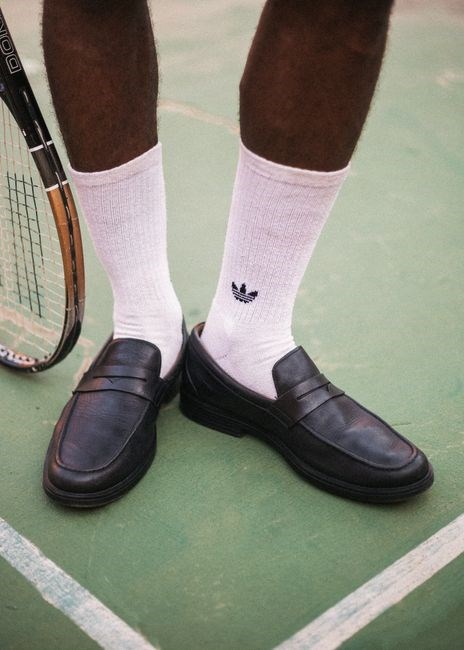
When evaluating sock size, material weight and cushioning play pivotal roles․ Heavier fabrics such as wool or dense synthetics add bulk, often requiring a slightly larger nominal size to accommodate the extra thickness․ Lighter blends—cotton, bamboo, or engineered fibers—compress more, allowing a snugger fit without increasing the printed size․ Cushioning layers, whether they are gel inserts, foam pads, or knit‑thickened zones, also influence the final footprint․ A sock with a 2‑inch heel cup will naturally occupy more space than a flat‑bottom counterpart, even if both are labeled the same size․ Consequently, many brands provide a “cushion” or “comfort” designation, indicating a size adjustment of up to one half‑size up or down․ For athletes, high‑impact cushioning can add 0․5–1․0 inches to the foot’s effective length, so a 9‑size shoe may pair best with a 9½‑size sock․ Conversely, minimalist running socks strip away cushioning, allowing the foot to rest directly on the sole, which can be beneficial for those who prefer a tighter, more natural feel․ Always consult the manufacturer’s weight and cushion guidelines before purchasing, and when in doubt, test a pair in person to confirm that the sock’s bulk does not compromise comfort or performance․ When selecting a sock, consider the intended use—whether it’s for everyday wear, high‑impact sportsor long‑distance hiking․ Heavier, cushioned socks provide shock absorption, while lighter, breathable options reduce heat buildup and moisture․ Always check the manufacturer’s recommended size range for the specific sock model, as some brands run slightly larger or smaller than standard charts․ If you’re between sizes, opting for the larger size often yields a more secure fit, especially with thicker materials․
Choosing the Right Sock Size for Different Activities
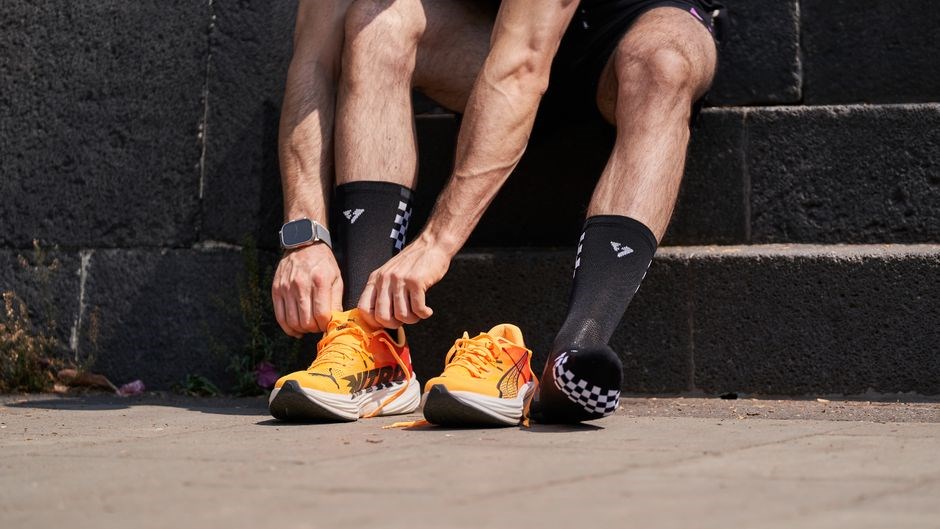
When selecting socks for a specific activity, the interplay between size, fit, and functional features becomes critical․ For casual wear, a standard crew or quarter size that matches your shoe size offers comfort without excess bulk․ In contrast, running and trail‑running demand a snug, low‑profile fit that reduces friction; here, a size that is one half‑size smaller than your shoe size often delivers the optimal balance between compression and breathability․ For hiking or trekking, a larger, more cushioned sock—typically one full size up—provides shock absorption and protects against blisters on uneven terrain․ Cycling enthusiasts benefit from a tight, compression sock that supports the calf and limits movement; a size that matches the rider’s shoe size, sometimes with a slightly reduced length, is ideal․ In high‑intensity sports such as basketball or soccer, a medium‑height sock with moderate cushioning and a size that fits snugly around the ankle helps maintain stability and reduce foot fatigue․ Finally, for winter activities, thicker, insulated socks require a larger nominal size to accommodate the added material; a size that is one to one and a half sizes larger than the shoe size ensures warmth without compromising mobility․ Always consider the sock’s material weight, cushion level, and intended use when determining the correct size for each activity․ Remember that a well‑fitted sock not only enhances performance but also protects your feet from blisters, heat, and fatigue, making the right size choice a simple yet essential part of any athletic routine for training and recovery